

HPP Juice Production Line: The Ultimate Guide to Clean Label, High-Nutrition NFC Juice in 2026
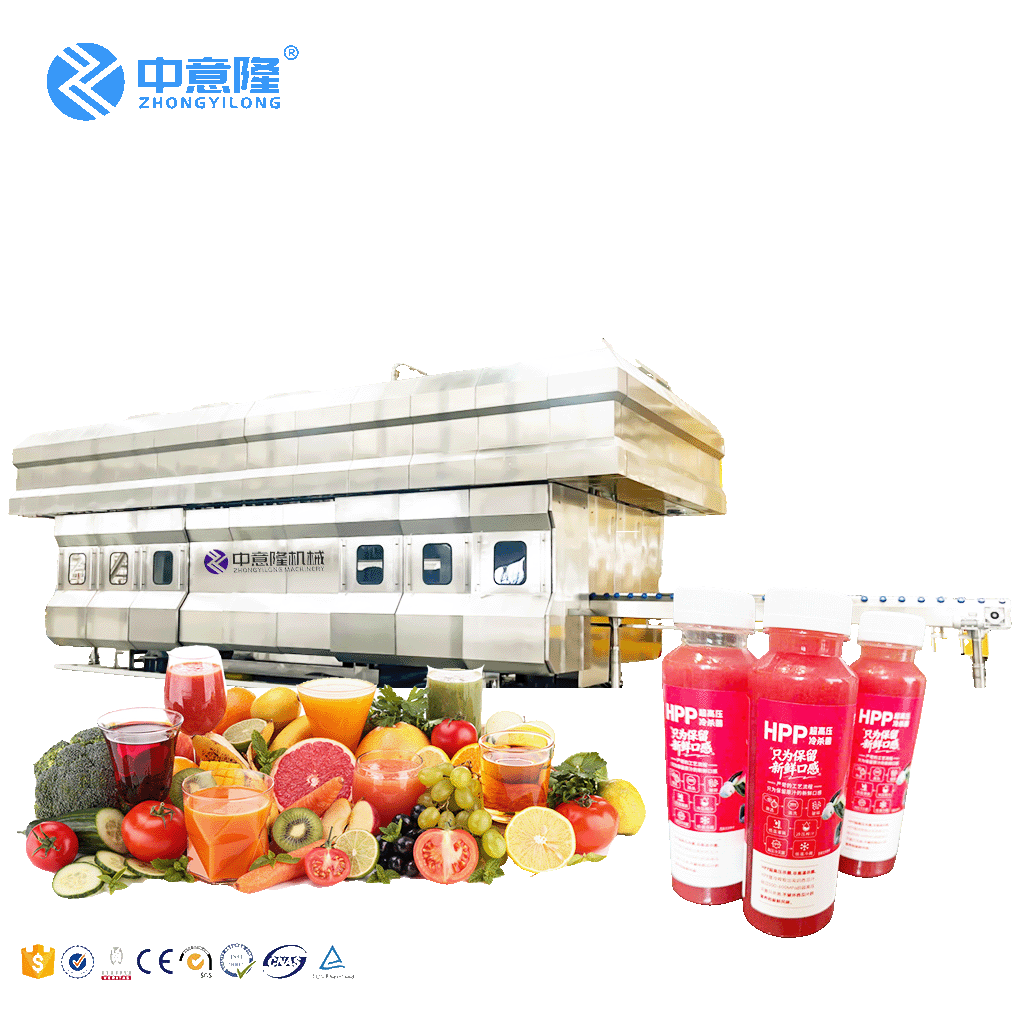
Automatic HPP Juice Bottling Line PLC Control Extended Shelf Life NFC Juice Production Machinery for
Introduction
In 2026, the global juice industry is propelled by three powerful forces: clean label, health consciousness, and premiumization. Consumers are increasingly seeking NFC (Not From Concentrate) juices that contain no preservatives, no added sugar, and retain their full natural nutritional profile. This marks a decisive shift away from traditional thermal pasteurisation, which is known to destroy heat‑sensitive vitamins and alter delicate flavours. At the forefront of this transformation stands High Pressure Processing (HPP) – the non‑thermal sterilisation standard for premium juice production. This guide explains why an HPP juice production line is now indispensable for modern manufacturers, covering its benefits, workflow, core components, and market advantages.
What Is HPP Technology and Why Does It Matter for Juice?
The Basics of HPP
High Pressure Processing (HPP) is a physical preservation method that subjects packaged juice to 400–600 MPa (58,000–87,000 psi) of hydrostatic pressure at room temperature. This pressure inactivates spoilage microorganisms and enzymes without the use of heat.
Why HPP Outperforms Traditional Pasteurisation
Conventional thermal pasteurisation (e.g., HTST at 92–95°C) causes significant quality degradation – up to 30–40% vitamin C loss and noticeable cooked flavours. In contrast, HPP preserves more than 94% of vitamins, natural enzymes, colour, and fresh taste.
Key Business Benefits for Juice Producers
Clean‑label products – no chemical preservatives, fully compliant with EU and US clean‑label regulations.
Extended refrigerated shelf life – 60 to 100 days, reducing waste and enabling wider distribution.
Higher profit margins – premium “cold‑sterilised” juices command prices 20–30% higher than conventional alternatives.
Strengthened consumer trust – transparent, health‑friendly production aligns perfectly with 2026’s wellness‑driven purchasing behaviour.
Key Components of a Complete HPP Juice Production Line
A professional HPP juice line is a turnkey system that covers every stage from raw material intake to final packaged product. The main modules include:
Raw Material Preprocessing
Sorting, washing, peeling, and cutting equipment for fruits and vegetables – all constructed from food‑grade stainless steel.
Juicing and Blending
Industrial‑grade juicers achieving 65–85% juice yield, paired with blending tanks to ensure consistent flavour profiles.
Vacuum Degassing
Removes dissolved oxygen from the juice, preventing oxidation and prolonging freshness.
Filling and Capping
Automatic filling machines compatible with PET bottles, glass jars, and flexible pouches, followed by secure capping.
HPP Sterilisation Unit
The core of the line: a high‑capacity pressure vessel operating at 400–600 MPa, with horizontal design for throughputs of 660 to 1,400 bottles per hour.
Labelling and Secondary Packaging
Automatic label applicators, carton sealers, and palletisers to prepare finished goods for storage and shipment.
Advantages of Our HPP Juice Line Over Traditional Thermal Lines
| Feature | HPP Juice Line | Traditional Thermal Line |
|---|---|---|
| Sterilisation method | Non‑thermal (400–600 MPa) | Heat (92–95°C, 15–30 s) |
| Nutrition retention | 94–98% (vitamin C, enzymes) | 60–70% (heavy nutrient loss) |
| Refrigerated shelf life (4°C) | 60–100 days | 20–40 days |
| Preservatives required | Zero – clean label | Often needed (e.g., potassium sorbate) |
| Flavour & colour | Natural, fresh, bright | Cooked notes, duller colour |
| Energy consumption | 20–30% lower | High (continuous heating and cooling) |
| Market positioning | Premium, high‑margin | Mid‑low, price‑competitive |
Who Should Invest in an HPP Juice Production Line?
This technology is a strategic asset for a wide range of players in the beverage industry:
Established beverage factories – upgrade from thermal lines to enter the lucrative NFC premium juice segment.
Cold‑pressed juice brands – scale up production while preserving their clean‑label and nutritional promises.
Startup juice businesses – small‑scale HPP lines (100–500 kg/hour) offer a low‑risk entry point into the high‑margin health juice sector.
Organic and health food manufacturers – meet surging demand for organic, preservative‑free beverages.
Global exporters – extended shelf life simplifies international shipping and reduces logistics costs.
Conclusion
The HPP juice production line is unquestionably the future of premium juice manufacturing in 2026. As clean‑label and health trends accelerate, HPP technology directly addresses the three biggest limitations of traditional processing – nutrient degradation, short shelf life, and reliance on preservatives. Whether you are a small startup or an industrial beverage giant, investing in a custom‑built HPP line opens the door to the fast‑growing NFC, organic, and cold‑pressed juice markets, delivering higher profits and stronger consumer trust in every bottle.
Request Pricing
Name
Whatsapp
Email*
Message*
- I have read and agree with 《Privacy Policy》